Introduction
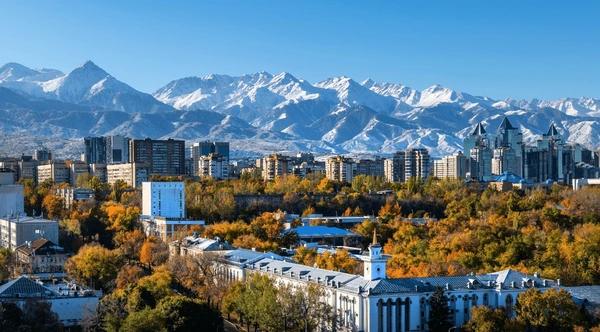
Across the world, there are places where geography meets mythology, where natural beauty converges with human story, where history, heritage, and horizon blend into a single breathtaking experience. These are the world’s Alaikas—a poetic term for elevated places that have shaped civilization, spirituality, culture, and identity. Whether nestled in mountains or representing the cultural “high places” of humanity, the world’s Alaikas form a panoramic narrative like no other.
The panorama of world Alaikas is not simply a catalog of destinations. It is a tapestry of landscapes and legacies: lofty mountain ranges, sacred valleys, ancient cities, and world wonders that spark collective imagination. From the Himalayas to the Andes, from Machu Picchu to Tibet, from ancient mountain-temples to modern highland cultures, the world’s Alaikas represent humanity’s eternal fascination with height—literal or symbolic.
This article explores these Alaikas through stories, landscapes, people, and the cultures that call them home. It is a journey that blends human experience with nature’s grandeur and honors the profound connection between altitude and aspiration.
The Spirit of the Alaikas
At first glance, the idea of the Alaikas is geographical: highlands, peaks, and elevated landscapes. But on deeper reflection, Alaikas are more than terrain. They are symbols:
-
The summit of struggle and achievement
-
The place where earth meets the sky
-
The cradle of ancient civilizations
-
The home of gods, heroes, and legends
-
A reminder of resilience and imagination
Every Alaika is different, yet each shares common themes of endurance, sacredness, natural artistry, and cultural triumph. Across continents, humans have gravitated toward these places not only for survival but for meaning.
From nomadic tribes who crossed high plateaus to pilgrims who climb mountains in search of spiritual clarity, Alaikas shape human identity on a primal level. They teach us that to rise is to strive—and to seek is to ascend.
A Worldwide Panorama of Alaikas
Himalayan High Realms
The Himalayas are perhaps the most iconic Alaika of all: vast, formidable, and filled with spiritual symbolism. Peaks like Everest stand not only as physical challenges but also as metaphors for humanity’s endless quest for higher purpose. The Himalayan people—Tibetan, Nepali, Ladakhi—carry traditions rooted in patience, respect for nature, and endurance.
Andean Heavens of South America
Stretching across multiple countries, the Andes cradle ancient civilizations and sacred sites. Machu Picchu is one of the world’s most astonishing elevated cities, literally carved into a mountain range. These highlands are a testament to human creativity and adaptability, where ancient rituals, agricultural systems, and stone engineering changed history.
The “Roof of the World” in Central Asia
From the Alay Mountains to the great Pamirs, Central Asia holds some of the world’s most hauntingly beautiful Alaikas. These ranges are woven into legends of Silk Road travelers, nomadic kingdoms, and hidden valleys. Here, the mountains are not mere obstacles—but guardians, storytellers, and ancient homes of culture.
North America’s Northern Kingdom
Alaskan and Yukon highlands dominate the northern horizon with icy summits and volcanic ridges. These Alaikas preserve some of the last untouched wildernesses on earth. Indigenous peoples have lived here for millennia, navigating landscapes that demand deep knowledge, respect, and harmony with nature.
African Highlands: The Guardian Plateaus
Africa’s Alaikas span Ethiopian highlands, Kilimanjaro, and dramatic escarpments. These landscapes serve as the backdrop for early human history and inspiration for myths of origin. Kilimanjaro itself, the great ice-topped peak rising from the plains, is an Alaika of the continent and a symbol of endurance.
Culture, Myth, and the Human Connection
Across all Alaikas, culture flourishes uniquely. People build homes in places that seem uninhabitable. Communities develop languages, rituals, farming practices, and legendary stories. The Alaikas give birth to mythologies—gods of mountains, guardians of valleys, heroes who ascend peaks.
Even today, these places inspire artists, climbers, explorers, pilgrims, and travelers. Museums and libraries preserve their histories. Festivals celebrate their identity. And films, literature, and music often turn to these high places to evoke emotion, courage, and grandeur.
Quick Bio Table of Famous Alaikas
| Alaika Region / Site | Country / Location | Known For |
|---|---|---|
| Himalayas | South & Central Asia | World’s highest mountain range, spiritual heritage |
| Andes Highlands | South America | Incan civilization, Machu Picchu |
| Central Asian Ranges | Kyrgyzstan, Tajikistan | Silk Road history, nomadic culture |
| Kilimanjaro | Tanzania | Highest peak in Africa |
| Alaska Highlands | United States | Glaciers, wilderness, Indigenous heritage |
| Tibetan Plateau | China | Sacred geography, ancient monastic culture |
Conclusion
The panorama of world Alaikas is not simply about landscapes. It is about identity, continuity, and meaning. These high realms witness humanity at its strongest and most imaginative. They remind us that while the world changes, certain truths endure:
People seek height.
They chase horizons.
They climb—not only mountains, but the inner peaks of hope, resilience, and purpose.
The Alaikas of the world are symbols of that pursuit. They stand as monuments of nature and mirrors of the human spirit. They are the places where stories are carved in stone, where legends are born, and where earth stretches upward as if reaching for the heavens.
Frequently Asked Questions (FAQs)
1. What does “Alaikas” mean?
It refers to elevated or high places of the world—both geographical and cultural. Alaikas represent mountain realms, ancient highland civilizations, and spiritual sites.
2. Why are these places significant?
Alaikas have shaped human history, culture, migration, religion, and storytelling. They are often sacred, strategic, or naturally extraordinary.
3. Are Alaikas always mountains?
Not necessarily. Most are highlands or elevated landscapes, but the concept also includes sites of high cultural or spiritual significance.
4. What do people learn from Alaikas?
They teach resilience, humility, and an appreciation for nature. Many traditions and rituals come from mountain cultures.
5. Why do Alaikas appear in world myths?
High places naturally evoke mystery and spirituality. Many religions and legends associate mountains with gods, heroes, or creation.
6. Can ordinary travelers visit these places?
Yes. Some Alaikas are remote and challenging, while others are accessible. Many are popular travel destinations today.
7. What is the most famous Alaika in the world?
The Himalayas are often considered the most iconic, but every region has its own celebrated Alaika.
About the Author