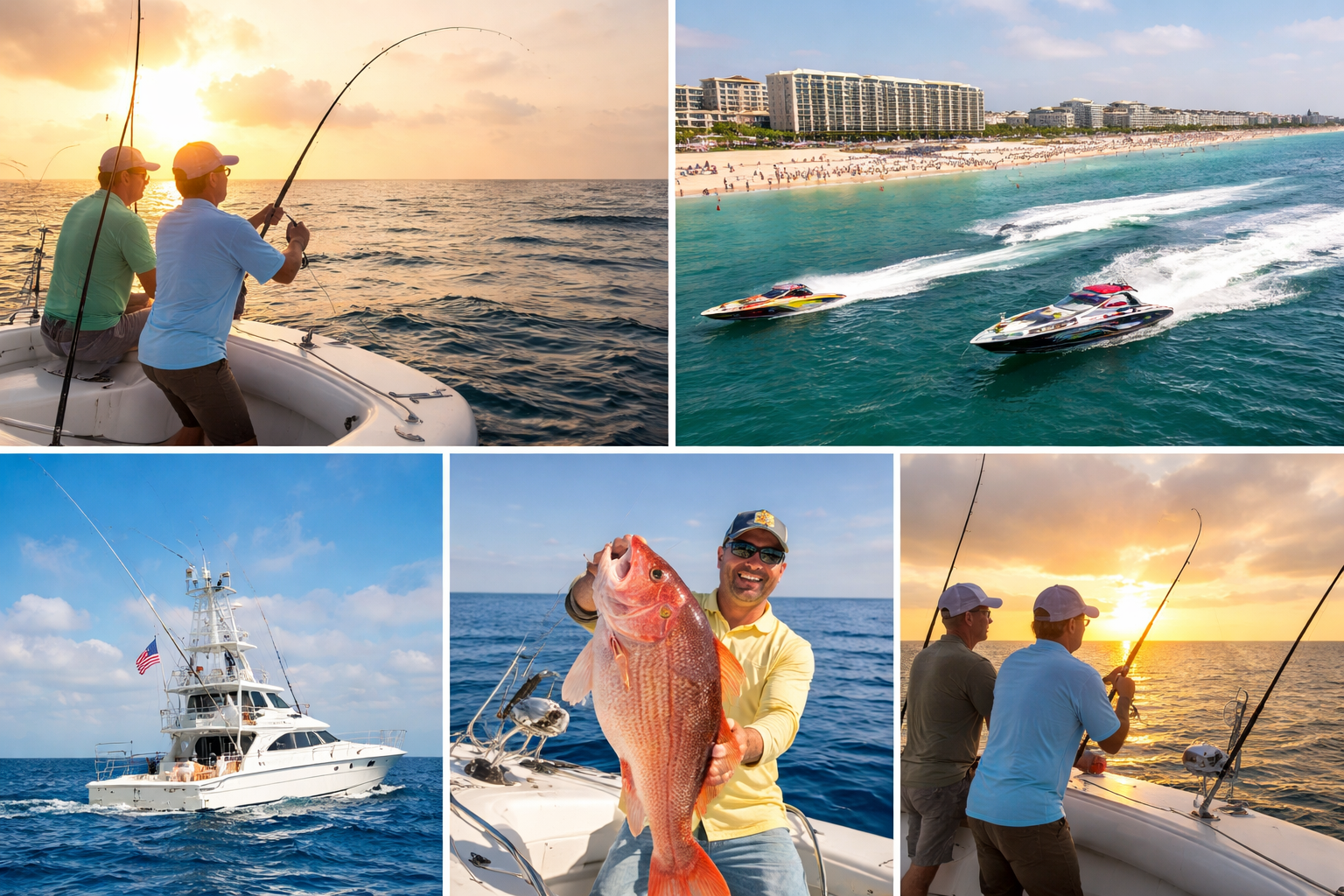
Fishing along the Gulf Coast becomes even more exciting when major coastal events bring attention to the region. One topic that continues to attract interest is fishing thunderonthegulf, a search term commonly used by anglers looking to understand how fishing opportunities align with the famous coastal atmosphere during Thunder on the Gulf. This guide explores fishing conditions, timing, species, preparation tips, and how anglers can make the most of the experience while staying informed.
Understanding Thunder on the Gulf and Coastal Fishing Activity
Thunder on the Gulf is widely known as a high-energy offshore powerboat racing event held along the Alabama Gulf Coast. During this period, coastal waters experience increased boat traffic, media attention, and tourism. For anglers researching fishing thunderonthegulf, the goal is usually to learn how fishing conditions are influenced by the event and what opportunities still exist before, during, and after race days.
Fishing activity does not stop during major coastal events, but it does require planning and awareness of timing, zones, and safety considerations.
Best Times for Fishing Around Thunder on the Gulf
One of the most important aspects of fishing thunderonthegulf is timing. Early mornings before race preparations begin often provide calm waters and productive fishing conditions. Likewise, the days immediately before and after the event are ideal for anglers seeking less congestion and more predictable fish behavior.
Fish are sensitive to vibration and noise, so strategic timing helps anglers avoid peak disturbance while still enjoying favorable seasonal conditions.
Popular Fish Species in the Area
Anglers interested in fishing thunderonthegulf often target species commonly found in nearshore and offshore Gulf waters. These may include red snapper, king mackerel, Spanish mackerel, speckled trout, redfish, and flounder. Seasonal migrations and water temperatures play a major role in determining which species are most active during the event period.
Understanding seasonal fish patterns allows anglers to adjust techniques and locations for better success.
Nearshore vs Offshore Fishing Considerations
Fishing thunderonthegulf can involve both nearshore and offshore opportunities, depending on experience level and equipment. Nearshore fishing is often more accessible during busy weekends, offering calmer waters and fewer restrictions. Offshore anglers should closely monitor race schedules, safety zones, and marine advisories.
Choosing the right fishing zone helps reduce stress and improves overall safety during high-traffic periods.
Safety and Regulations During Event Weekends
Safety is a critical factor when planning fishing thunderonthegulf activities. Increased marine patrols, temporary no-go zones, and speed regulations are common during event weekends. Anglers should review local notices to mariners and respect restricted areas to avoid penalties or dangerous situations.
Being informed not only protects anglers but also ensures a smooth experience for everyone on the water.
Fishing Techniques That Work Best
When focusing on fishing thunderonthegulf, techniques that minimize noise and disturbance tend to be most effective. Slow trolling, bottom fishing, and shoreline casting during quieter hours often yield better results. Using natural bait and lighter tackle can also help when fish are more cautious due to surrounding activity.
Adaptability is key during event-driven fishing conditions.
Preparing Your Fishing Trip in Advance
Preparation is essential for successful fishing thunderonthegulf planning. Checking weather forecasts, reviewing event schedules, fueling boats early, and preparing gear ahead of time can make a significant difference. Many experienced anglers plan flexible trips that allow adjustments based on crowd levels and water conditions.
Good preparation helps avoid unnecessary delays and improves overall enjoyment.
Local Knowledge and Fishing Etiquette
Local insight plays a major role in fishing thunderonthegulf success. Respecting local anglers, following boating etiquette, and maintaining safe distances from race-related areas builds a positive environment on the water. Observing how locals adapt their fishing routines during event weekends can offer valuable learning opportunities.
Community awareness benefits both visitors and residents.
Environmental Awareness and Conservation
Responsible anglers who practice fishing thunderonthegulf should also remain mindful of environmental impact. Avoiding litter, respecting marine habitats, and following catch limits helps preserve Gulf waters for future generations. Conservation-focused fishing ensures the area remains productive despite increased tourism and boating activity.
Sustainable practices are always part of good angling.
Conclusion
Fishing thunderonthegulf is less about racing action and more about understanding how a major coastal event influences fishing conditions along the Gulf Coast. With proper timing, preparation, safety awareness, and respect for regulations, anglers can still enjoy productive fishing experiences. By planning smartly and adapting techniques, fishing during this period can be both rewarding and memorable.
FAQs
Can fishing still be productive during Thunder on the Gulf
Yes, fishing can be productive with proper timing, especially early mornings and post-event days.
Is offshore fishing allowed during the event
Offshore fishing is allowed outside restricted zones, but anglers must follow safety regulations.
What species are commonly caught during this time
Red snapper, mackerel, redfish, and speckled trout are commonly targeted.
Do I need special permits during the event
Standard fishing licenses apply, but temporary boating restrictions may be enforced.
Is nearshore fishing better during busy weekends
Nearshore fishing is often safer and less crowded during high-traffic event days.
About the Author