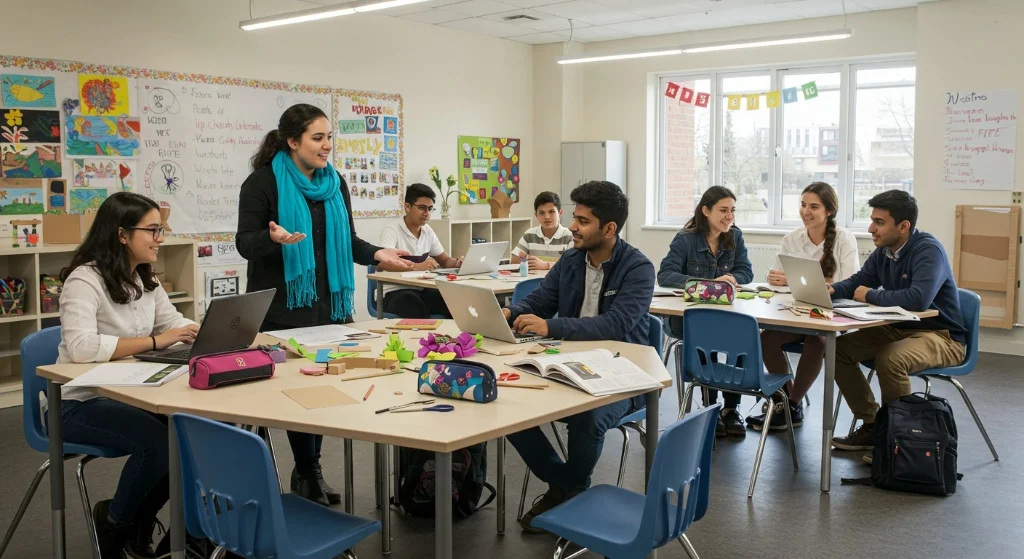
Introduction to Classroom 60x
The concept of Classroom 60x represents a transformative approach to learning environments, designed to address the needs of modern education. This innovative classroom model emphasizes flexibility, technology integration, and a learner-centered focus that aligns with contemporary educational challenges. The inspiration behind Classroom 60x stems from the evolving nature of learning itself; as educational needs and methods have changed, so too must the physical environments where learning occurs.
One of the primary purposes of Classroom 60x is to facilitate an adaptable space that can support varied teaching styles and learning preferences. Traditional classrooms often impose rigid structures that may hinder student engagement and limit interaction. In contrast, Classroom 60x aims to provide multiple configurations that encourage collaboration, creativity, and active participation among students. This is particularly significant in a time when educators strive to foster a community of learners who can effectively engage with diverse perspectives and ideas.
Moreover, Classroom 60x utilizes advanced technology to enhance educational experiences. By incorporating digital tools and resources, this classroom design promotes interactive learning opportunities that extend beyond traditional textbooks. Through the use of technology, educators can create dynamic lessons that cater to different learning modalities, ensuring that all students can connect with the material in meaningful ways.
In this context, Classroom 60x stands not only as a physical space but also as a reflection of progressive educational philosophies. With an increased focus on student agency and personalized learning, this innovative approach seeks to empower learners by providing them with the tools necessary to take ownership of their education. Classroom 60x is, therefore, a crucial development in redefining how we access knowledge and engage with the learning process.
Features of Classroom 60x
Classroom 60x represents a significant evolution in the design and functionality of educational spaces compared to traditional classrooms. One of its standout features is the flexible layout which encourages collaboration among students. Unlike conventional classroom setups that typically consist of rows of desks facing the front, the classroom 60x employs a variety of spatial arrangements. Furniture can be easily reconfigured to facilitate group work or individual tasks, making it adaptable to different teaching methods and learning styles.
The integration of advanced technology in Classroom 60x further distinguishes it from traditional environments. Equipped with smart boards, interactive projectors, and other digital tools, this modern classroom enhances the learning experience by making lessons more engaging and interactive. For instance, teachers can employ real-time quizzes or collaborative software that allows students to contribute to projects simultaneously, thus fostering a more participatory atmosphere.
Moreover, the furniture used in Classroom 60x is designed for comfort and adaptability. Ergonomic chairs and adjustable desks not only accommodate various body types but also promote healthy posture during long hours of study. This focus on students’ physical well-being means that learners can devote more attention to their educational pursuits rather than being distracted by discomfort. Various real-world implementations of Classroom 60x, such as in schools across urban areas, have shown improved student performance and engagement levels, attributable to these thoughtfully devised features. By aligning the physical learning environment with pedagogical needs, Classroom 60x is effectively transforming the educational process.
Benefits of Classroom 60x for Students and Teachers
The innovative Classroom 60x learning environment offers multifaceted advantages for both students and educators. One of the primary benefits is the significant increase in student engagement and motivation. The design of Classroom 60x fosters an interactive and dynamic space that encourages active participation, enabling students to immerse themselves in their learning experiences. This heightened engagement often translates into a deeper understanding of the material presented, as students are more invested in their educational pursuits.
Moreover, Classroom 60x enhances collaborative skills among students. The layout promotes teamwork and communication, facilitating group activities and discussions. This collaborative approach not only allows students to share diverse perspectives but also helps in developing essential soft skills required in modern workplaces. Teachers can leverage this environment to implement cooperative learning strategies, which may yield more effective teaching methodologies and foster a sense of community within the classroom.
Inclusivity is another core feature of Classroom 60x. The environment is designed to accommodate diverse learning styles, ensuring every student has access to resources that suit their individual needs. For instance, visual learners may benefit from interactive displays, while kinesthetic learners can engage with materials hands-on. By catering to different preferences, Classroom 60x promotes an equitable learning experience, potentially leading to improved academic outcomes for all students.
Furthermore, the adaptability of Classroom 60x allows educators to experiment with various teaching strategies, making it easier to implement innovative instructional approaches. As teaching methodologies evolve, having a flexible classroom setup supports educators in adapting to these changes efficiently. This evolution ultimately cultivates a rich learning atmosphere conducive to holistic educational growth.
Implementing Classroom 60x: Challenges and Solutions
The transition to a Classroom 60x model presents numerous potential challenges that educational institutions must navigate. One of the primary hurdles is the financial aspect; many schools operate under strict budget constraints that can limit their ability to invest in new furniture, technology, and resources necessary for this innovative learning environment. Budgeting for a Classroom 60x transformation requires careful planning and resource allocation to ensure that all needs are met without compromising other areas of the school’s operations.
In addition to financial constraints, there is an inherent need for adequate training for educators involved in implementing a Classroom 60x approach. Teachers must familiarize themselves with new technology and teaching methods that promote collaboration, creativity, and critical thinking among students. Resistance to change can also emerge among staff who may be accustomed to traditional teaching practices. To address this, effective change management strategies are essential. Providing ongoing professional development, creating a culture of support, and involving teachers in the implementation plan can mitigate resistance and encourage collaboration.
One effective strategy for implementing Classroom 60x is gradual or phased implementation. Schools can start with pilot programs or specific grade levels to assess the effectiveness of the new approach before a full-scale roll-out. Seeking community support can also play a crucial role; by engaging parents, local businesses, and educational organizations, schools can gain additional resources and financial backing for the transition. Lastly, leveraging online resources for teacher training can offer practical solutions, providing educators with the necessary tools and techniques to transform their teaching practices effectively.
About the Author