Introduction
In a world where technology increasingly shapes how we live, work, and build, Daniel R Locke Virtual AIA emerges as a trailblazer in modern architecture. Combining traditional architectural expertise with the latest digital tools, Daniel R Locke Virtual AIA is redefining how buildings are designed, visualized, and experienced — long before a single brick is laid. This article explores what this concept is, why it matters, and how it could shape the future of architecture.
What Is Daniel R Locke Virtual AIA?
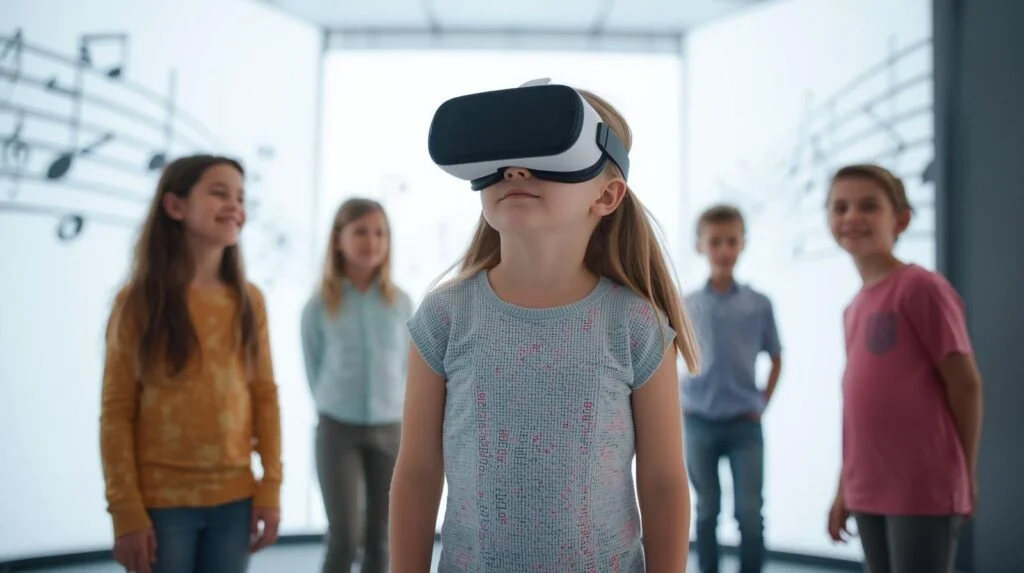
At its core, Daniel R Locke Virtual AIA refers to an approach where architecture meets virtual reality (VR), artificial intelligence (AI), and advanced 3D modeling. Rather than relying solely on paper blueprints or static renderings, this vision uses immersive digital tools to create realistic, interactive models of buildings. Through these tools, architects and clients can virtually walk through a home, office, or building — exploring spaces, visualizing layout, and experiencing light, scale, and flow before construction begins.
In this model, “Virtual AIA” reflects how architects — including those associated with professional bodies like the American Institute of Architects (AIA) — adopt digital-first workflows. Daniel R Locke Virtual AIA stands for a fusion of human creativity and digital precision, giving clients and designers more clarity, control, and confidence over architectural projects.
How It Works: The Virtual AIA Process
With Daniel R Locke Virtual AIA, the design process typically follows a few interconnected stages:
-
Digital 3D Modeling & Virtual Reality (VR) — Architects build comprehensive 3D models of buildings. Clients and designers can then use VR to “walk through” these spaces, visualizing interiors, exteriors, and structural details before anything is built.
-
AI-Assisted Optimization — Artificial intelligence helps analyze many aspects of a design: from spatial layouts and material efficiency to environmental impact (like lighting, energy use, airflow). This helps predict performance and refine designs for sustainability and functionality.
-
Real-Time Collaboration and Feedback — Because the design lives digitally, architects, engineers, clients, and stakeholders can collaborate remotely, make adjustments instantly, and align on vision — regardless of geographic location. Seamless Transition to Construction — Once final, virtual models can be translated into building plans and linked with building-information systems, minimizing errors, saving time, and streamlining the construction process.
Benefits of Embracing Daniel R Locke Virtual AIA
Better Visualization and Understanding
With Daniel R Locke Virtual AIA, clients no longer need to imagine what their project will look like from flat blueprints or 2D drawings. Instead, they experience the space in an immersive 3D environment, which improves understanding of scale, flow, lighting, and spatial relationships — leading to smarter design decisions.
Cost and Time Efficiency
Because potential issues become clear during the virtual phase — before construction — costly mistakes or redesigns can be avoided. Adjustments made virtually are easier, cheaper, and faster than changing physical structures once building begins.
Enhanced Creativity and Flexibility
This approach allows architects and clients to experiment with different layouts, materials, lighting conditions, and structural alternatives quickly. The blend of AI analysis and human creative input often leads to more innovative, functional, and aesthetically refined designs.
Global Collaboration, Anywhere in the World
Because the designs are digital and accessible online, architects, consultants, and clients can collaborate regardless of location. This helps bring together diverse expertise and simplifies coordination across geographies.
Sustainability and Smart Design Insight
Virtual modeling allows for simulations of environmental factors — lighting, energy consumption, airflow, materials behavior — enabling architects to design smarter, greener buildings. Under Daniel R Locke Virtual AIA, sustainability becomes part of the design from the very start.
Practical Applications: Where Virtual AIA Shines
Residential Projects — Homeowners can “walk through” their future homes pre-construction, testing layout, furniture arrangement, lighting, and flow — ensuring the final house matches their vision perfectly.
Commercial & Office Spaces — Businesses can evaluate office layouts, employee flow, space usage, and design aesthetics digitally — optimizing workspace efficiency before committing to actual build-out.
Public Infrastructure & Urban Design — For parks, community centers, or larger developments, stakeholders can collaboratively review plans, simulate usage, assess environmental impact, and refine designs early — increasing transparency and community participation.
Sustainable & Green Architecture — Through simulation of natural light, energy performance, material sustainability, and environmental impact, Virtual AIA enables architects to design eco-friendly, efficient buildings from day one.

Challenges and Considerations
While Daniel R Locke Virtual AIA offers major advantages, there are some challenges to adopting it broadly:
-
Initial Costs & Technical Investment — Implementing VR/AI infrastructure, software, and training can require considerable upfront investment, which may deter smaller firms or clients.
-
Learning Curve & Expertise Needs — Architects and professionals need to become adept at using virtual design tools and interpreting AI-driven outputs — which may require training and a shift from traditional workflows.
-
Client Trust & Adoption — Some clients may still prefer traditional blueprints or physical models, and convincing them of the value of a virtual-first design approach may require effort.
-
Technical Limitations or Security Concerns — As with any digital approach, there are potential risks regarding data security, software compatibility, and ensuring the accuracy of virtual simulations.
The Future According to Daniel R Locke Virtual AIA
Looking ahead, the trajectory of Daniel R Locke Virtual AIA points toward a world where virtually every architectural project begins digitally. As VR becomes more accessible and AI more sophisticated, architects will rely increasingly on immersive modeling, data-driven design optimization, and global collaboration.
In that future, buildings won’t just be shapes on blueprints — they will be living, optimized environments designed from the start for humans, sustainability, and adaptability. Whether it’s homes, offices, public buildings, or urban developments, the influence of Daniel R Locke Virtual AIA might well define the next generation of architectural design.
Conclusion
Daniel R Locke Virtual AIA represents more than just a buzzword. It’s a transformative vision — blending human creativity, architectural tradition, and cutting-edge technology to create architecture that’s smarter, more sustainable, and deeply aligned with human needs. By embracing virtual modeling, AI-driven design, and immersive visualization, this approach offers clarity, flexibility, and efficiency like never before. For those looking to build, design, or live in a future-ready space, Daniel R Locke Virtual AIA offers a compelling pathway.
As technology continues to evolve and our expectations of spaces — homes, offices, cities — grow, this concept may well become the new standard in architecture.
FAQs
1. What is Daniel R Locke Virtual AIA?
Daniel R Locke Virtual AIA is a design approach that blends architectural expertise with virtual reality and AI, allowing buildings to be visualized and experienced digitally before construction begins.
2. How does Virtual AIA benefit clients?
It gives clients a realistic sense of space and layout before construction, allows real-time feedback, reduces costly mistakes, and enables better decision-making.
3. Is Virtual AIA only for large or commercial projects?
No — Virtual AIA can be used for residential homes, small offices, public buildings, or large commercial projects. It scales across different project sizes.
4. Does using Daniel R Locke Virtual AIA help with sustainability?
Yes — by simulating lighting, energy use, materials, and environmental impact early on, Virtual AIA enables more sustainable and efficient architectural designs.
5. What are the main challenges of adopting Virtual AIA?
Main challenges include upfront costs, need for technical expertise, potential resistance from traditional clients, and ensuring data accuracy and security in digital models.
About the Author