Introduction
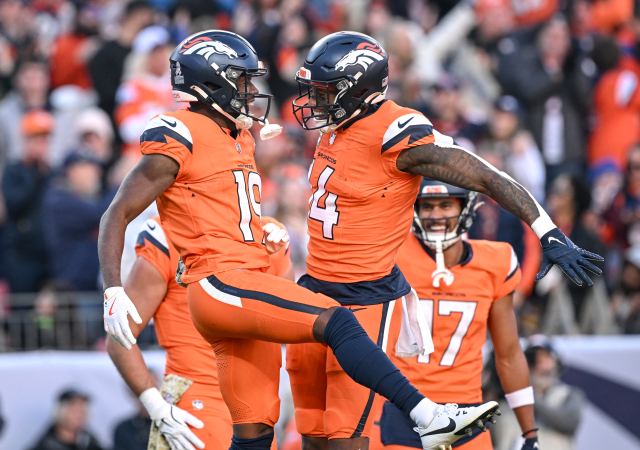
When two storied NFL franchises — the Atlanta Falcons and the Denver Broncos — meet on the gridiron, the clash is more than just about yardage and scores. It becomes a story of aspirations, momentum, and the aspirations of individual players seeking to carve their mark. In their most recent meeting, the Broncos delivered a dominant performance, showcasing sharp execution on offense and imposing pressure on a Falcons squad that seemed unable to keep pace. The result — a 38–6 rout — offered not only a lopsided final score, but a narrative about poise under pressure, breakthrough performances, and the brutal unpredictability of elite-level football.
This article dives into the game with a human-centric lens, examining who stood out, who struggled, and what the match says about both teams. Through statistics and storytelling, we’ll relive the night at Mile High and reflect on its implications.
Game Snapshot & Context
-
Date & Venue: The game took place at the Broncos’ home stadium, under classic Mile High conditions — where altitude, crowd, and expectation often amplify every snap.
-
Final Score: Broncos 38, Falcons 6. The scoring progression: Broncos steadily built a lead through all four quarters (7, 14, 7, 10) while the Falcons managed just two field goals in the first half.
-
Significance: A convincing win for Denver — both in performance and morale. For Atlanta, a stark reminder of the gulf that can open when execution and momentum slip.
Key Performers & Stats: Who Shone — and Who Didn’t
Broncos’ Standouts
-
Bo Nix (QB): He was the catalyst. Completing 28 of 33 passes for 307 yards and 4 touchdowns, Nix delivered a career-best performance. His precision — an 85% completion rate — and poise under pressure transformed the Broncos’ offense into a well-oiled machine.
-
Javonte Williams (RB): Power and timing. His 14-yard rushing touchdown, which ended a drive set up by solid blocking, spotlighted the Broncos’ balanced offense — not just explosive passing, but effective ground control.
-
Receiving Corps — Players like Marvin Mims Jr. and Troy Franklin added dimension to the passing attack, each hauling in touchdown catches (12-yard and 7-yard respectively). That variety of targets kept the Falcons defense off-balance.
Falcons’ Efforts — and Troubles
-
Kirk Cousins (QB): A tough night. He completed 18 of 27 passes for 173 yards, but threw 1 interception and was sacked 3 times for a total of 21 yards lost. No touchdowns, and overall, the passing attack never took flight.
-
Rushing Game: The Falcons tried — with Bijan Robinson leading the backfield — but only managed 35 yards on 12 carries. That lack of balance made it easier for Denver to focus on the pass.
-
Offensive Predictability & Defensive Pressure: With limited rushing success and a stagnant passing rhythm, Atlanta’s offense became predictable. Meanwhile, Denver’s defense maintained pressure, constraining space and preventing any real rhythm from building.
Quick Bio Table — Game at a Glance
| Team / Player | Stat Highlights / Result |
|---|---|
| Broncos — Bo Nix (QB) | 28/33, 307 yards, 4 TD passes |
| Broncos — Javonte Williams (RB) | 1 rushing TD (14 yards), helped set tone |
| Broncos — Marvin Mims Jr. (WR) | Touchdown reception (12 yards) |
| Broncos — Troy Franklin (WR) | Touchdown reception (7 yards) |
| Falcons — Kirk Cousins (QB) | 18/27, 173 yards, 1 INT, 3 sacks |
| Falcons — Bijan Robinson (RB) | 12 carries, 35 yards |
| Final Score | Broncos 38, Falcons 6 |

Narrative: What This Game Reveals
There’s a raw, almost poetic clarity in nights like these. Under the crisp Denver sky, the Broncos didn’t just win — they dominated. Every component clicked: quarterback accuracy, rushing effectiveness, reliable receiving, and a defense that kept pressure high. For fans in the stands, each quarter reinforced a growing sense of inevitability.
For the Falcons, this game was a harsh mirror. Their offense seemed out of sync — the running game ineffective, the passing game hesitant, and their quarterback under constant duress. Mistakes magnified; opportunities dwindled. As the scoreboard ticked, frustration likely mounted.
But beyond the statistics and scoreboard lies something deeper: football, at its heart, is a game of confidence, momentum, and execution. On this night, Denver had all three; Atlanta had few. And that turned a regular-season game into a vivid reminder — dominance in the NFL isn’t just about talent, but timing, cohesion, and seizing the moment.
Conclusion
The Falcons vs. Broncos game offered more than just numbers — it told a story. It was a night where one team seized momentum, executed nearly flawlessly, and left no doubt. The Broncos’ offense flew, their defense held firm, and their confidence soared.
For the Falcons, it was a sobering experience. A game that underscored areas needing improvement: offensive balance, pass protection, and perhaps most importantly — resilience when under pressure.
But that’s also the beauty of sport: tomorrow brings a new playbook, new hope, new opportunities. If the Falcons can learn from nights like this, regroup, and push forward, the narrative can shift.
For now, though, this was Denver’s night — and what a statement it was.
Frequently Asked Questions (FAQs)
1. Why was the final score so lopsided?
Because the Broncos dominated in nearly every phase — efficient passing, effective running, strong protection, and consistent defensive pressure. Their balanced offense and tight execution crushed the Falcons’ ability to respond.
2. Was the Falcons’ loss just about poor offense?
Not entirely. While their offense struggled, Denver’s defense also played aggressively — applying pressure, limiting yardage, and forcing mistakes. The combination made it very difficult for Atlanta to build any momentum.
3. Could weather or venue (altitude) have affected the Falcons’ performance?
Playing at Denver’s home stadium does come with altitude and crowd intensity factors. That environment can make it harder for visiting offenses to breathe rhythm — though in this case, the bigger issue seemed to be execution rather than environment alone.
4. Did any Falcons player show signs of breakthrough or potential despite the loss?
There were a few modest efforts — Bijan Robinson attempted to push the rushing attack, and Cousins completed a fair percentage of passes. But given sacks, lack of touchdowns, and minimal yardage, nothing that suggested a true breakout.
5. What does this game mean for the Broncos going forward?
Confidence. Momentum. Validated potential. A performance like this can galvanize a team — reinforcing belief in their game plan, chemistry, and readiness. It could be a turning point, especially if they build on this momentum.
6. Are such blowouts common between these two teams?
No — matchups between the Falcons and Broncos tend to be competitive. Historically, their head-to-head record is close. A blowout like this stands out, which makes the performance even more significant for Denver.
7. What should Falcons fans take away from this loss?
That even on a tough night, understanding the shortcomings is the first step toward improvement. The loss may sting — but it also offers clarity: where protection must tighten, where the run game must improve, and where discipline under pressure must hold.
About the Author